Land Rover Defender Reliability: Is It a Dependable SUV?
Is the Land Rover Defender reliable? Explore common problems, long term ownership concerns, maintenance costs, and key checks buyers should perform before purchasing a Defender.
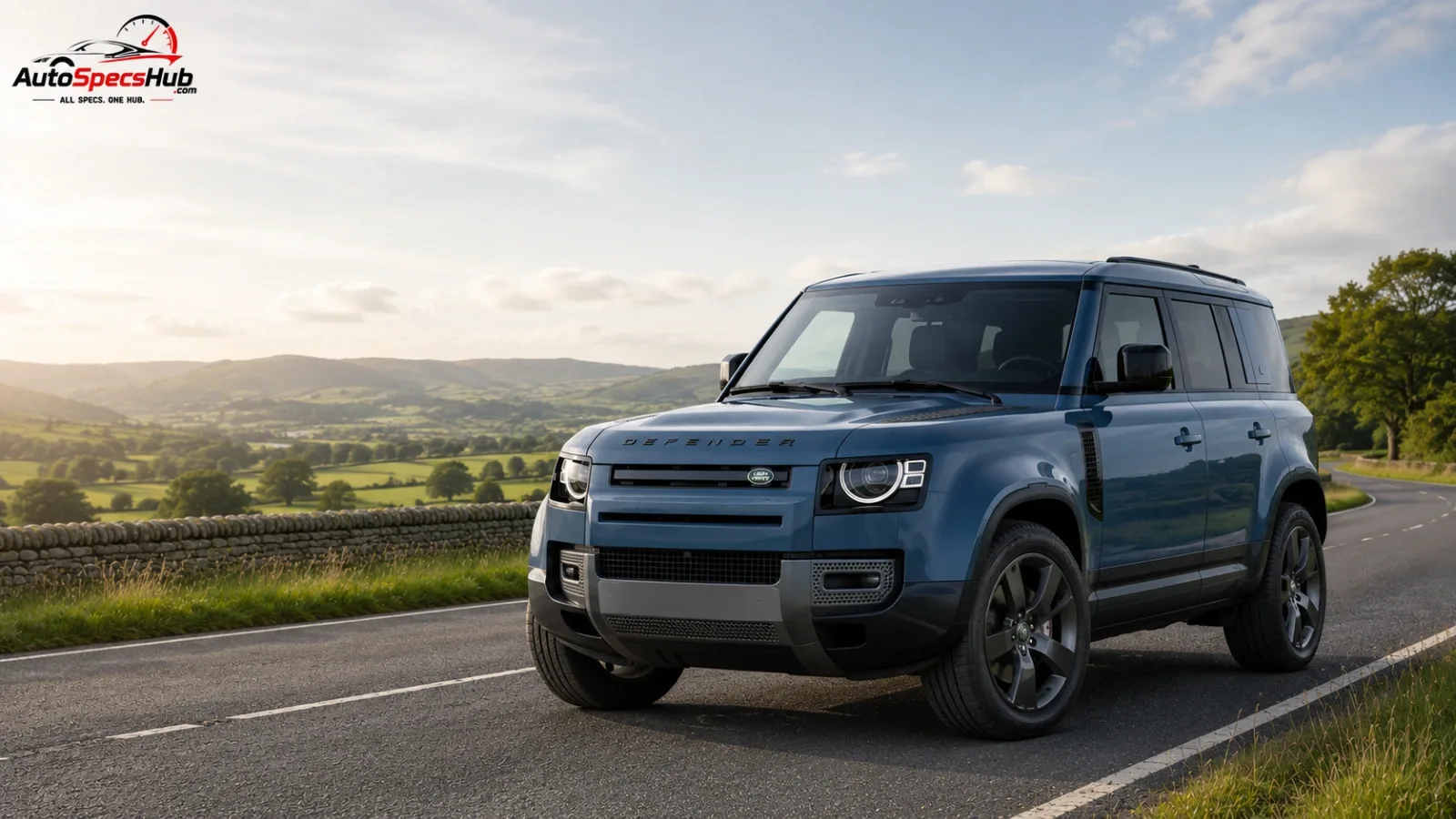
The modern Land Rover Defender can be a dependable luxury SUV, but it is not a simple or inexpensive vehicle to own. Its powertrain, suspension, infotainment, cameras, driver assistance features, and electronic controls are closely connected. When everything works properly, the Defender combines family comfort, towing ability, distinctive design, and serious off road capability better than many rivals.
Ownership experiences are not identical. Some Defenders complete years of daily use with little more than scheduled servicing. Others develop software faults, electrical warnings, battery problems, water leaks, or suspension issues that require workshop attention.
The fairest assessment is that Land Rover Defender reliability is respectable for a technologically complex luxury SUV, but not consistently class leading. The condition of the individual vehicle matters more than the badge alone. Service history, previous use, equipment level, software status, and repair quality all influence long term dependability.
This guide focuses on the modern L663 Defender introduced for the 2020 model year. It explains the main reliability concerns, the warning signs buyers should take seriously, and how to identify a well-maintained example. For detailed specifications and features of a specific model, see the 2022 Land Rover Defender 130 D250 specifications.
Quick Answer
The modern Land Rover Defender can be reliable when it receives correct servicing and prompt repairs. Major powertrain failure is not inevitable, but software, batteries, sensors, water sealing, and air suspension can create problems.
A Defender with complete records, current software, no unresolved warning lights, and a clean specialist inspection is usually safer than a cheaper example with an uncertain history. Condition and maintenance matter more than mileage or model year alone.
Land Rover Defender Reliability at a Glance
Reliability area | General assessment | What buyers should check |
Engine and transmission | Often dependable with correct maintenance | Cold starting, leaks, warning messages, service records |
Software and infotainment | A frequent source of minor frustration | Screen response, cameras, connectivity, updates |
Battery and electronics | Sensitive to low or unstable voltage | Battery health, charging output, stored fault codes |
Air suspension | Comfortable and capable, but complex | Ride height, compressor noise, uneven settling |
Water sealing | Requires careful inspection | Carpets, roof lining, seals, cargo floor |
Ownership costs | Higher than a mainstream family SUV | Warranty, tire condition, previous repairs |
Long term suitability | Reasonable for prepared owners | Specialist support and a realistic repair budget |
The Defender is not accurately described as completely unreliable or completely trouble free. Its reliability sits between those extremes.
What Reliability Means for a Modern Defender
Reliability is not limited to whether the engine starts each morning.
A modern luxury SUV may remain driveable while displaying a suspension warning, losing a camera function, restarting its infotainment system, or temporarily disabling a driver assistance feature. These faults are less serious than engine or transmission failure, but they still affect convenience and confidence.
Defender reliability is best judged in three areas.
Mechanical reliability covers the engine, transmission, cooling system, brakes, steering, suspension, and four wheel drive hardware.
Electronic reliability includes the battery, infotainment system, sensors, cameras, control modules, and driver assistance technology.
Ownership reliability involves repair time, parts availability, warranty support, diagnostic skill, and access to a workshop familiar with modern Land Rover vehicles.
A Defender may never leave its owner stranded but can still feel unreliable if electronic warnings repeatedly interrupt normal use.
The Main Defender Reliability Concerns
Software and Infotainment Faults
The Defender uses the Pivi Pro system for navigation, cameras, connectivity, vehicle settings, and several convenience features.
Reported problems may include slow responses, failed phone connections, unavailable cameras, frozen screens, missing menus, or unexpected restarts. Some faults can be corrected through software updates. Others may come from a weak battery, damaged wiring, faulty sensor, or failed control module.
During a test drive, connect a phone, enter a destination, use every camera, adjust the climate settings, and leave the system operating for at least 20 minutes. One failed connection may not be serious. Repeated restarts, delayed responses, or unavailable safety features need further investigation.
Battery and Electrical Warnings
The Defender depends heavily on a healthy 12 volt battery. Low or unstable voltage can cause several apparently unrelated warnings to appear at the same time.
A weak battery may affect the suspension, parking brake, keyless entry, cameras, driver assistance systems, or drivetrain controls. This does not necessarily mean that each system has failed. One voltage problem can interrupt communication between several connected modules.
A proper inspection should test the battery, charging output, stored fault codes, wiring connections, and software condition. Clearing warnings without identifying their cause is not a complete repair.
Vehicles used mainly for short journeys or left parked for long periods may be more vulnerable because the battery has fewer opportunities to recharge fully.
Water Entry and Seal Problems
Water inside a modern SUV can create more than an unpleasant smell. It may damage carpets, trim, wiring, electrical connectors, and control modules.
Inspect these areas carefully:
• Front and rear footwells
• Cargo floor and tailgate area
• Panoramic roof and roof lining
• Windshield surround
• Door and body seals
Damp carpets, condensation, stained fabric, or a musty smell may reveal previous water entry. Be cautious if the interior has been heavily cleaned immediately before the sale, since fresh washing can make moisture problems harder to detect.
A repaired leak does not automatically make a Defender unsuitable. What matters is whether the original source was found, repaired correctly, and checked for related electrical damage.
Air Suspension Reliability
Air suspension improves ride comfort and allows the Defender to change its ground clearance. It helps the vehicle remain refined on paved roads while retaining genuine off road ability.
The system also contains air springs, height sensors, valves, air lines, a compressor, and electronic controls. These parts add complexity and can increase repair costs as the vehicle ages.
During the test drive, move through every available suspension height. The vehicle should rise and lower evenly without excessive noise or long delays.
Warning signs include one corner sitting lower than the others, slow height adjustment, frequent compressor operation, or a suspension message that returns after being cleared. The cause may be a sensor or software fault, but it could also involve a leaking air spring, damaged line, weak compressor, or control problem.
Air suspension should not automatically prevent a purchase. Buyers simply need to understand the additional maintenance risk.
Engine and Cooling System Warnings
The modern Defender has been sold with petrol, diesel, mild hybrid, plug in hybrid, and V8 powertrains, depending on the country and model year. Their servicing requirements and possible repair risks are not identical.
Regardless of engine, certain symptoms require immediate attention:
• Repeated coolant loss
• Overheating
• Oil pressure warnings
• Persistent misfires
• Rough cold starts
• Unusual rattling or knocking
• Reduced power messages
• Visible oil or coolant leaks
Start the engine from cold whenever possible. A vehicle that has already been warmed before your arrival may hide poor starting, smoke, noise, or an early warning message.
Drive long enough for the engine to reach normal operating temperature. The temperature should remain stable, the transmission should respond smoothly, and no new warning lights should appear.
Coolant loss, overheating, or an oil pressure warning should never be dismissed as a harmless electronic glitch. These symptoms can lead to serious mechanical damage if ignored.
Minor Faults Versus Serious Warning Signs
Not every problem carries the same level of risk. Buyers should separate temporary inconvenience from faults that may lead to major damage.
Symptom | Concern level | Recommended action |
Phone fails to connect once | Low | Restart the system and test again |
Screen repeatedly restarts | Moderate | Check software and scan the control modules |
Several warnings appear after a weak start | Moderate | Test the battery and charging system |
One corner sits low after parking | Moderate to serious | Inspect the air suspension |
Damp carpets or roof staining | Serious | Find the source of water entry |
Repeated coolant loss | Serious | Arrange diagnosis before further driving |
Oil pressure warning | Critical | Switch off the engine immediately |
Overheating | Critical | Stop driving and seek assistance |
One failed phone connection should not condemn an otherwise good vehicle. Repeated coolant loss, overheating, oil pressure warnings, and persistent suspension faults should never be accepted as normal Defender behavior.
Are Early Defenders More Risky?
Early production vehicles often receive more software, component, and assembly updates than later examples. This is common when a manufacturer launches a new platform.
That does not make every 2020 or 2021 Defender a poor purchase. A well maintained early vehicle with documented repairs may be safer than a newer model with accident damage, incomplete servicing, or recurring faults.
The quality of earlier repairs matters more than the number of workshop visits. One problem that was correctly diagnosed and resolved is less concerning than several visits for the same warning without a clear solution.
When reviewing an early Defender, pay particular attention to software updates, battery replacement history, water leak repairs, cooling system work, suspension faults, and completed recall campaigns.
Model year provides useful context, but it should never replace a full inspection of the individual vehicle.
Which Defender Configuration May Be Easier to Own?
A simpler specification normally contains fewer components that may require future repair.
A Defender with conventional suspension, smaller wheels, and a widely available engine may be easier to maintain than a heavily equipped version with air suspension, very large wheels, and a high output powertrain.
This does not mean premium versions are automatically unreliable. They simply contain more systems and potentially expensive components.
The Defender 90, 110, and 130 share many mechanical and electronic systems. Body length alone does not determine reliability. Engine choice, suspension type, optional equipment, previous use, and maintenance history make a greater difference.
Choose the body style according to your passenger and cargo needs. Then assess the condition and background of the individual vehicle.
How Previous Use Changes Reliability
Low mileage does not always mean excellent condition.
Frequent short journeys can place extra pressure on the battery and may be unsuitable for certain diesel emissions systems. Extended periods without use can also weaken the battery and allow small faults to remain unnoticed.
Towing increases demand on the cooling system, brakes, tires, suspension, transmission, and driveline. Ask what the vehicle towed, how frequently it was used, and whether its maintenance reflected that workload.
Off road driving can damage underbody panels, wheels, tires, suspension parts, seals, and electrical connectors. Inspect beneath the vehicle rather than judging it only by clean paintwork and a polished cabin.
The Defender is designed for demanding use, but its maintenance record should match the work it has performed.
How Does Defender Reliability Compare With Its Rivals?
The Defender offers a different ownership proposition from many luxury and off road rivals.
A Toyota Land Cruiser may appeal more to buyers who prioritize proven durability and straightforward long term ownership. A Mercedes G Class provides similar status and off road credibility but may be even more expensive to repair. A Jeep Wrangler has a simpler, more utilitarian character, although it cannot match the Defender’s refinement and family comfort.
The Defender’s greatest strength is balance. It combines road comfort, flexible body choices, towing ability, modern technology, and genuine off road performance in one package.
That versatility comes with additional complexity. Buyers must decide whether its broader abilities justify the possibility of higher maintenance and repair costs.
Used Land Rover Defender Buying Checklist
Before purchasing a used Defender:
Start the engine from cold and listen for unusual noise.
Confirm that every warning light clears after starting.
Scan every control module, not only the engine computer.
Test the screen, cameras, locks, seats, climate control, and charging ports.
Drive until the engine reaches normal operating temperature.
Check the steering, brakes, transmission response, and suspension.
Inspect the carpets, roof lining, and cargo area for moisture.
Examine the wheels, tires, and underbody for damage.
Review service records, software updates, recall work, and repair invoices.
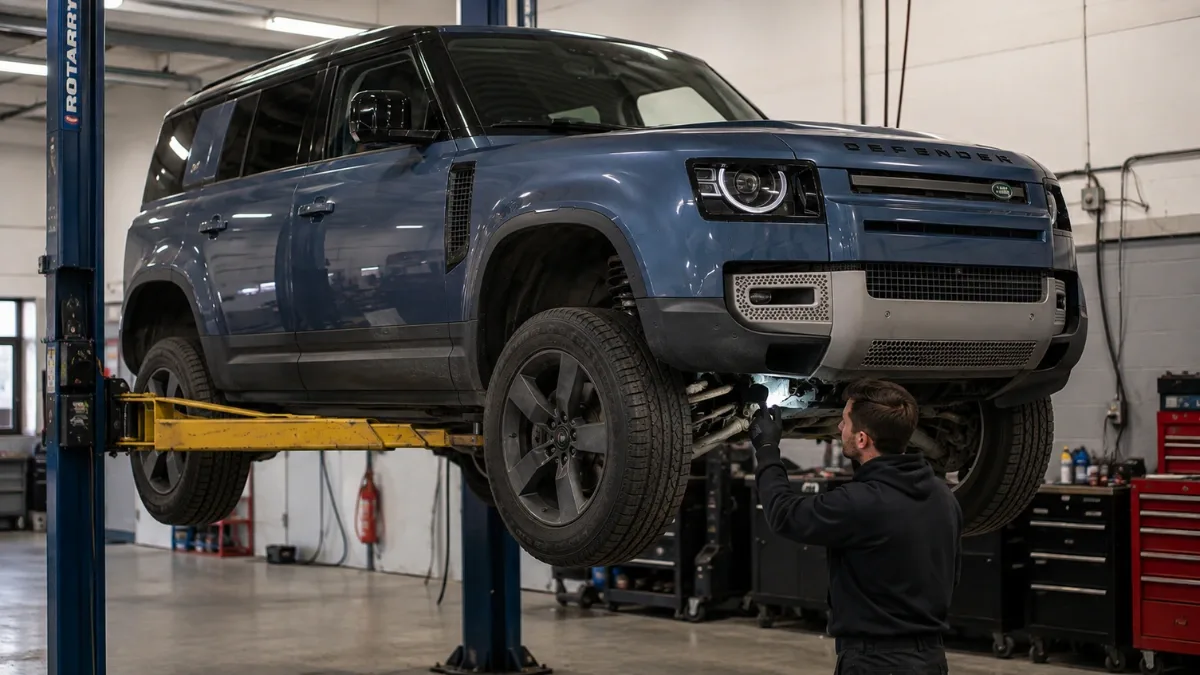
Arrange a pre purchase inspection with a Land Rover specialist.
A specialist should identify current faults, check for stored error codes, and estimate likely repair costs before the buyer agrees to a final price.
Warranty coverage can reduce financial risk, but it should not replace careful vehicle selection. Buyers should confirm exactly what the warranty covers, when it expires, and whether diagnostic work is included.
Who Should Buy a Land Rover Defender?
The Defender may suit buyers who value distinctive design, strong off road capability, comfortable long distance travel, flexible seating, towing ability, and modern technology.
It may be less suitable for someone whose main priorities are inexpensive repairs, basic mechanical construction, minimal electronics, and the lowest possible ownership costs.
The Defender rewards careful servicing and early attention to warning signs. It is less forgiving when maintenance is delayed or small faults are ignored.
Frequently Asked Questions
Are Land Rover Defenders reliable?
Modern Defenders can be reliable, but owner experiences vary. Engines and transmissions may provide dependable service when maintained correctly, while software, batteries, sensors, water entry, and air suspension can cause problems. The condition and history of the individual vehicle matter more than the brand’s reputation alone.
What is the most reliable Defender year?
No single model year guarantees reliability. Later vehicles may benefit from software and component updates, but a well maintained early model can still be a sound purchase. Service records, diagnostic results, recall status, previous repairs, and current condition are more useful than age alone.
What are the most common Defender problems?
Commonly discussed concerns include infotainment faults, electrical warnings, weak batteries, water leaks, suspension messages, and occasional engine or cooling system problems. Not every Defender develops these faults, but each area should be checked during a pre purchase inspection.
Is the Land Rover Defender expensive to maintain?
The Defender normally costs more to maintain than a basic family SUV. Premium parts, specialist labor, large tires, complex electronics, and optional air suspension can increase expenses. Actual costs depend on the engine, equipment, mileage, warranty coverage, and local labor rates.
How long can a modern Defender last?
There is no guaranteed lifespan. Longevity depends on maintenance, climate, towing, off road use, driving patterns, repair quality, and how quickly warning signs are addressed. A properly maintained Defender can remain useful for many years, but neglected faults may significantly increase repair costs.
Should I buy a Defender without a warranty?
It can be reasonable when the vehicle has complete records and passes a specialist inspection. However, the financial risk is higher because electronic, suspension, and powertrain repairs can be expensive. Buyers without a repair reserve may prefer a certified or warranty backed vehicle.
Final Verdict
Land Rover Defender reliability is better than the brand’s historical reputation may lead some shoppers to expect. Major mechanical failure is not an inevitable part of ownership, and a carefully maintained Defender can provide dependable family transport, long distance comfort, towing strength, and serious off road capability.
Its main weakness is complexity. Software, batteries, sensors, air suspension, water sealing, and interconnected electronic systems can create inconvenience and repair costs even when the engine and transmission remain healthy.
The best Defender is not necessarily the newest, cheapest, or lowest mileage example. It is the vehicle with complete servicing, current software, completed recall work, a dry interior, stable electronics, and evidence that previous faults were repaired correctly.
For buyers prepared for premium maintenance, the Defender can be a rewarding and dependable SUV. Those seeking the simplest and least expensive ownership experience should consider a less complex alternative.