Coupe vs Sedan: Which Body Style Should You Choose?
Coupe vs Sedan comparison covering key differences in design, performance, comfort, practicality, and ownership to help you choose the right body style for your driving needs.
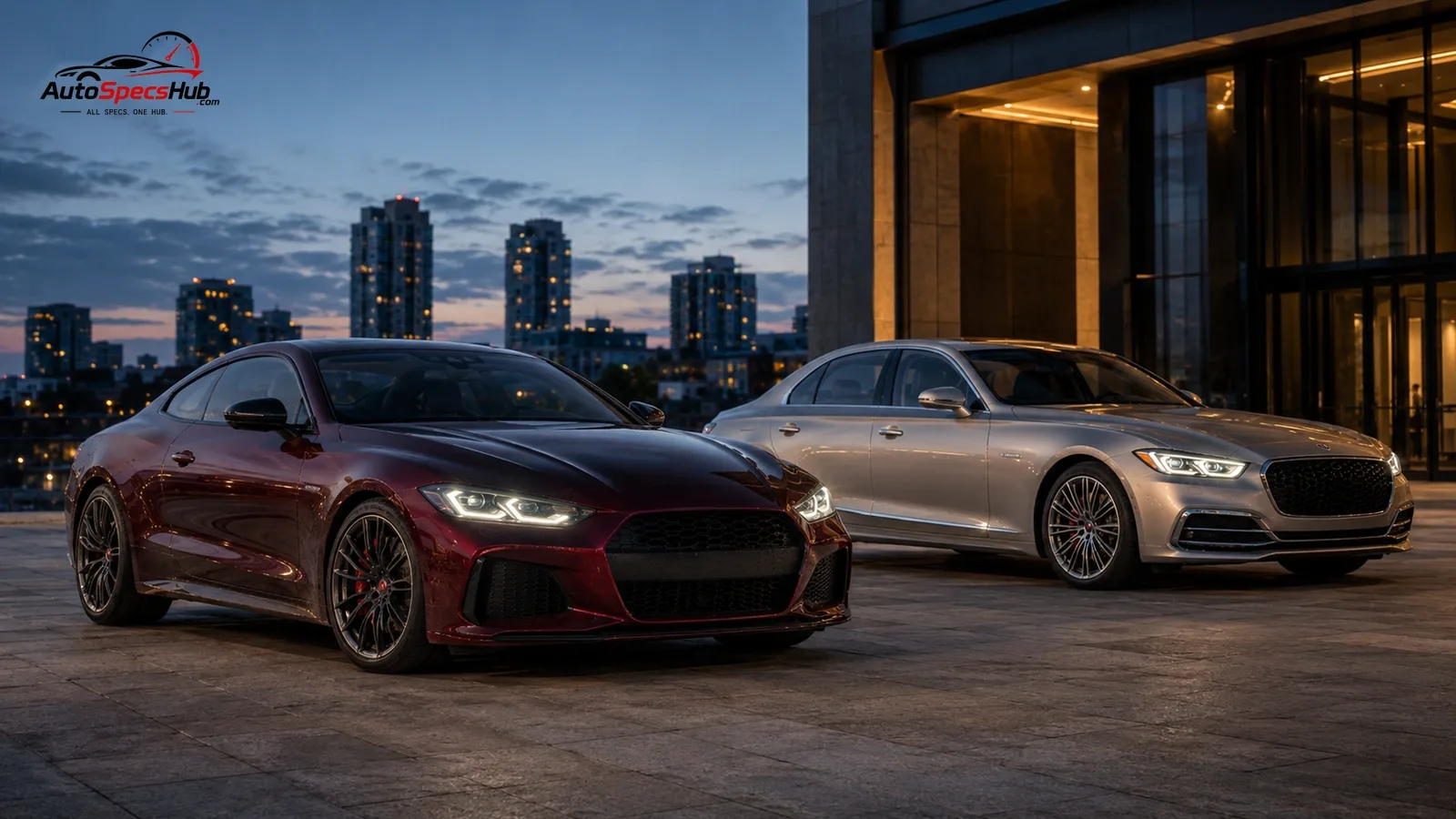
Choosing between a coupe and a sedan is not simply a decision between two different body styles. It is about finding the right balance between driving excitement, design preference, everyday practicality, and long-term usability. While coupes attract drivers with their sporty character and distinctive appearance, sedans remain a popular choice for those who prioritize comfort, space, and versatility.
Traditionally, coupes have been associated with lower seating positions, sharper styling, and a more engaging driving experience, while sedans have focused on passenger comfort and daily convenience. However, modern vehicles have blurred these differences. Performance sedans like the BMW M3 and Mercedes-AMG C63 can deliver sports-car-level performance, while luxury coupes such as the BMW 4 Series Coupe and Mercedes-Benz CLE Coupe combine premium features with a more emotional design.
The best choice depends on how you plan to use your vehicle and what matters most behind the wheel. In this guide, we compare coupe vs sedan across performance, interior space, comfort, practicality, ownership considerations, and everyday driving needs to help you decide which body style fits your lifestyle.
Quick Answer: Coupe vs Sedan
A coupe is the better choice for drivers who prioritize sporty styling, driving enjoyment, and a more exclusive appearance, while a sedan is better for buyers who need comfort, practicality, and everyday flexibility.
Coupes usually provide a more engaging driving feel and a stronger visual presence. Sedans offer easier access, more usable passenger space, and greater convenience for daily driving.
Choose a coupe if the vehicle is mainly for personal enjoyment and you value design and performance character. Choose a sedan if you need a vehicle that can handle commuting, passengers, and everyday responsibilities with fewer compromises.
What Is a Coupe?
A coupe is a vehicle body style traditionally associated with a sportier shape, fixed roof, and two-door layout. However, modern manufacturers have expanded the definition, with some brands using the coupe name for four-door models that feature a sloping roofline and more athletic styling.
The purpose of a coupe is usually to create a stronger emotional connection between the driver and the vehicle. Instead of focusing only on maximum practicality, coupes often prioritize appearance, performance character, and driving enjoyment.
Common coupe characteristics include:
Lower roofline
Sportier proportions
Longer doors
More aggressive exterior styling
Driver-focused cabin design
Examples include the BMW 4 Series Coupe, Mercedes-Benz CLE Coupe, and Porsche 911. These vehicles appeal to buyers who want something more distinctive than a traditional passenger car.
A coupe is often chosen by drivers who see their vehicle as part of their personality rather than only a method of transportation.
What Is a Sedan?
A sedan is one of the most established passenger vehicle body styles, designed around a balance of comfort, practicality, and everyday usability.
Most sedans feature four doors, a separate passenger compartment, and a dedicated trunk area. This layout allows manufacturers to create vehicles that are comfortable for both drivers and passengers.
Common sedan characteristics include:
Four-door design
Easier passenger access
More practical rear seating
Balanced ride quality
Greater everyday flexibility
Sedans are available across nearly every vehicle category, from efficient commuter cars to premium models such as the BMW 3 Series, Mercedes-Benz C-Class, and Audi A4.
Unlike coupes, sedans are designed to serve a wider range of needs, making them a popular choice for commuters, professionals, and families.
Key Differences Between Coupes and Sedans
Category | Coupe | Sedan |
Main purpose | Sporty design and driving experience | Comfort and practicality |
Door layout | Usually two doors | Usually four doors |
Passenger access | Less convenient | Easier access |
Rear-seat usability | More limited | More practical |
Styling | More aggressive and emotional | More balanced and traditional |
Driving character | Often sport-focused | Usually comfort-focused |
Ideal buyer | Enthusiasts and style-focused drivers | Daily drivers and practical buyers |
Design and Styling Differences
Design is one of the biggest reasons buyers choose a coupe over a sedan.
Coupes are created to make a stronger visual impression. Their lower rooflines, longer doors, and more dramatic proportions create a sportier profile that often attracts buyers looking for a more emotional ownership experience.
Luxury manufacturers frequently use coupe designs to create a stronger sense of exclusivity. For example, the BMW 4 Series Coupe provides a more dramatic appearance compared with the BMW 3 Series Sedan, even though both vehicles share similar brand characteristics and engineering priorities.
Sedans follow a different approach. Their design allows manufacturers to maximize interior space while maintaining elegance and refinement. Modern luxury sedans prove that practicality does not mean sacrificing premium styling. Premium vehicles such as the Range Rover Sport show how manufacturers combine luxury design, performance, and everyday usability.
Driving Experience and Performance
Driving character is one of the most important differences between coupes and sedans.
Many coupes are developed with a stronger performance mindset. Their lower seating position, sportier proportions, and performance-focused tuning can create a more connected feeling between the driver and the vehicle.
However, a coupe is not automatically faster than a sedan. Performance depends on factors such as engine output, drivetrain, weight, suspension setup, and vehicle engineering.
Modern performance sedans demonstrate this clearly. Vehicles such as the BMW M3 and Mercedes-AMG C63 combine four-door practicality with impressive acceleration and handling capabilities.
The general difference is:
Coupe:
More focused driving experience
Sportier character
Stronger emotional appeal
Sedan:
Better balance between performance and comfort
More versatile for daily use
Easier to live with
Drivers who enjoy the experience of driving may prefer a coupe, while buyers who want performance without sacrificing practicality may find a sedan more suitable.
Interior Space and Passenger Comfort
Interior practicality is one of the clearest differences between a coupe and a sedan.
Sedans are designed with passenger convenience as a priority. Their four-door layout allows passengers to enter and exit easily without moving the front seats, making them more suitable for families, professionals, and drivers who regularly carry others. The additional rear-seat accessibility also improves comfort during longer journeys.
Coupes generally sacrifice some practicality to achieve a sportier design. Traditional two-door coupes require passengers to move the front seats forward to access the rear seats, which can become inconvenient with frequent use. Some modern coupes improve rear-seat space, but they are still usually designed around front-seat occupants.
Sedans are usually better for:
Frequent passenger transportation
Family use
Long-distance comfort
Coupes are usually better for:
Drivers who spend most time in the front seats
Occasional rear passengers
Buyers who prioritize style and driving enjoyment
For buyers who regularly carry adults, children, or colleagues, a sedan generally provides a more practical ownership experience.
Practicality for Daily Driving
Daily usability is where sedans usually have the advantage.
A sedan is designed to handle a wide variety of situations, including commuting, business travel, road trips, and everyday transportation. Its four-door layout and practical cabin design make it easier to live with over many years of ownership.
Coupes are more specialized. Their purpose is often to provide a more engaging and personal driving experience rather than maximum flexibility.
A sedan is generally better suited for:
Daily commuting
Family transportation
Regular passenger use
Business driving
A coupe is better suited for:
Personal driving
Weekend use
Enthusiast ownership
Buyers who value design over maximum practicality
This is why many drivers choose a sedan as their primary vehicle, while coupes are often selected by buyers looking for a more emotional and distinctive driving experience.
Buyers comparing different vehicle body styles can also explore our Sedan vs SUV comparison to understand how sedans differ from larger, more versatile vehicle categories.
Cargo Space and Storage Differences
Cargo practicality depends on the specific model, but sedans usually provide greater convenience for everyday tasks.
Most sedans feature a trunk layout designed around regular transportation needs. Their practical cabin design makes it easier to carry luggage, shopping items, and daily equipment.
Coupes can still offer useful cargo capacity, especially models that share platforms with sedans. However, their design priorities often focus more on styling and performance than maximum storage flexibility.
For example, the BMW 3 Series Sedan provides a practical balance for daily use, while the BMW 4 Series Coupe places greater emphasis on sporty design and driver appeal.
The better choice depends on priorities:
Choose a sedan if practicality and flexibility are important.
Choose a coupe if style and driving enjoyment matter more.
Coupe vs Sedan: Who Should Choose Which?
The best body style depends on the type of driver and how the vehicle will be used.
Performance Enthusiasts
Drivers who enjoy an engaging experience behind the wheel may prefer a coupe. The lower seating position, sporty proportions, and emotional design often create a stronger connection with the vehicle.
However, performance sedans should not be overlooked. Models such as the BMW M3 prove that a four-door vehicle can deliver exceptional driving performance while remaining practical.
Daily Commuters
For drivers who use their vehicle every day, a sedan is usually the better option. The easier access, comfortable cabin, and balanced driving experience make it more convenient for regular use.
Families
Sedans are generally the stronger choice for families because they provide:
Easier rear-seat access
Better passenger convenience
More practical everyday use
A coupe may work for smaller households, but it usually involves more compromises.
Luxury Buyers
Luxury buyers may choose either body style depending on priorities.
A luxury coupe offers:
More exclusive styling
Stronger emotional appeal
A more personal driving experience
A luxury sedan offers:
Greater comfort
Better passenger accommodation
More executive-style usability
Ownership Considerations
Ownership costs depend more on the specific vehicle, brand, engine, and maintenance requirements than whether the vehicle is a coupe or sedan.
Many manufacturers use the same platforms, engines, and technology across both body styles. This means a coupe and sedan from the same model family may have similar reliability and maintenance requirements.
However, the ownership experience can feel different.
Sedan ownership advantages:
More practical for long-term use
Easier passenger access
Better suited for multiple lifestyles
Coupe ownership advantages:
More distinctive appearance
Stronger emotional connection
More rewarding for style-focused buyers
Before choosing either body style, buyers should consider:
How often passengers will be carried
Daily driving requirements
Maintenance expenses
Fuel costs
Long-term ownership plans
Coupe vs Sedan: Pros and Cons
Coupe Advantages
Coupes appeal to drivers who prioritize style, performance, and a more engaging driving experience.
Sportier design: Lower rooflines, aggressive styling, and athletic proportions give coupes a more distinctive appearance.
More engaging driving feel: Many coupes provide a lower seating position and a stronger connection with the road.
More exclusive character: Their less common design can make them feel more special than typical sedans.
Coupe Disadvantages
The sporty design of a coupe can reduce practicality in everyday situations.
Limited rear-seat convenience: Rear seats are often tighter and less comfortable for passengers.
Reduced family practicality: Smaller access points and less interior flexibility may not suit regular family use.
Less everyday versatility: Coupes may not be the best choice for drivers who frequently carry passengers or cargo.
More exclusive character: Their less common design can make them feel more special than typical sedans.
Sedan Advantages
Sedans remain popular because they offer a strong balance between comfort, practicality, and usability.
Better everyday practicality: Four doors and easier access make sedans more convenient for daily driving.
More passenger comfort: Rear-seat space and accessibility are usually better than many coupes.
Versatile ownership experience: Sedans work well for commuters, families, and long-distance driving.
Sedan Disadvantages
While sedans are practical, they may lack some of the emotional appeal of coupes.
Less dramatic styling: Their design usually focuses more on comfort and efficiency than sportiness.
Less exclusive feel: Since sedans are more common, they may not stand out as much.
More balanced driving character: Many prioritize refinement rather than a performance-focused feel.
Which One Should You Buy?
The right choice between a coupe and sedan depends on your lifestyle and priorities.
Choose a coupe if you want a vehicle that feels more personal, offers stronger visual appeal, and provides a more engaging driving experience. It is ideal for buyers who usually drive alone or with limited passengers and want something beyond basic transportation.
Choose a sedan if you need comfort, practicality, and flexibility. Its four-door design makes it easier to use every day, while modern performance sedans prove that practicality does not mean sacrificing driving enjoyment.
For most buyers, a sedan offers the better overall balance. For drivers who prioritize style and emotional appeal, a coupe can be the more rewarding choice.
Final Thoughts
Coupes and sedans serve different purposes, and the better choice depends on what you value most from your vehicle.
A coupe represents style, individuality, and driving enjoyment. It is designed for buyers who want a stronger emotional connection with their car and are willing to trade some practicality for a more distinctive experience.
A sedan represents balance, comfort, and everyday usability. It remains one of the most versatile vehicle choices because it can handle commuting, passengers, and long-distance driving with fewer compromises.
When choosing between a coupe and sedan, buyers should consider their actual driving habits rather than choosing based only on appearance. The ideal body style is the one that matches how the vehicle will be used every day.
Frequently Asked Questions
Is a coupe better than a sedan?
A coupe is better for drivers who prioritize sporty styling and driving enjoyment, while a sedan is better for buyers who need comfort, practicality, and everyday convenience.
Do coupes handle better than sedans?
Not always. Handling depends on the vehicle’s suspension, weight distribution, drivetrain, and engineering. Some coupes offer a sportier driving feel, while high-performance sedans can deliver exceptional handling.
Are sedans safer than coupes?
Safety depends on the specific vehicle’s design, safety features, crash performance, and technology rather than body style alone. Both coupes and sedans can offer advanced safety systems.
Why are coupes usually more expensive than sedans?
Coupes are sometimes priced higher because they often target premium buyers and include sportier designs, specialized styling, or performance-focused features.
Can a coupe be a good daily driver?
Yes. A coupe can work well as a daily driver for people who usually travel alone or with one passenger and prefer sporty design over maximum practicality.
Which is better for a family, a coupe or sedan?
A sedan is usually the better choice for families because it offers easier access, better rear-seat usability, and greater flexibility.